Most conversations about healthcare careers in Nigeria end with one word: japa. But while thousands of nurses, doctors and carers have left, the patients have not. Nigeria’s population is large and young, but the number of older people is rising, chronic diseases such as hypertension and diabetes are common, and private healthcare is expanding in every major city. The result is a growing market for trained health workers who decide to stay, or who want to build strong experience before they go.
This guide looks at where the jobs are in Nigeria in 2026, what employers and private clients value, and how to stand out.
1. Private hospitals and specialist clinics
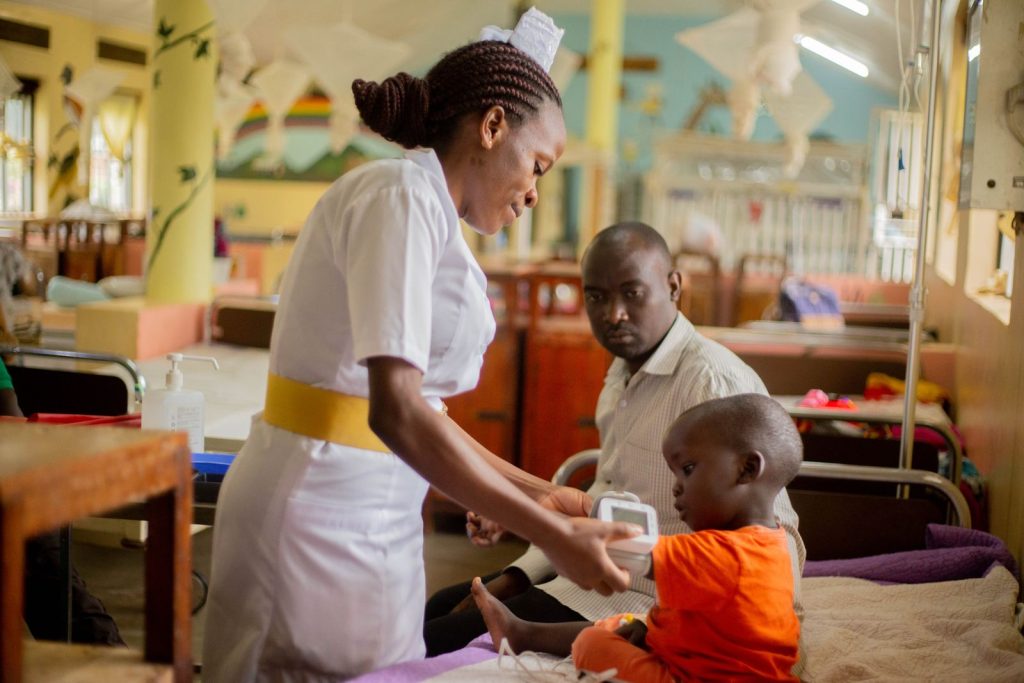
Private hospitals in Lagos, Abuja, Port Harcourt, Ibadan, Enugu, Kano, Benin and Uyo continue to expand, including fertility centres, cardiac and cancer centres, and day-surgery clinics. Many have lost experienced staff to emigration and need to replace them quickly.
Roles in demand: registered nurses, nursing assistants, care assistants, front desk and patient relations officers, medical records staff, theatre support, and administrators.
What helps you stand out: current registration (NMCN, MDCN, PCN, MLSCN and others), evidence of training in infection prevention, documentation and customer service, and a professional attitude with patients who expect “international standard” care.
2. Home care and elder care
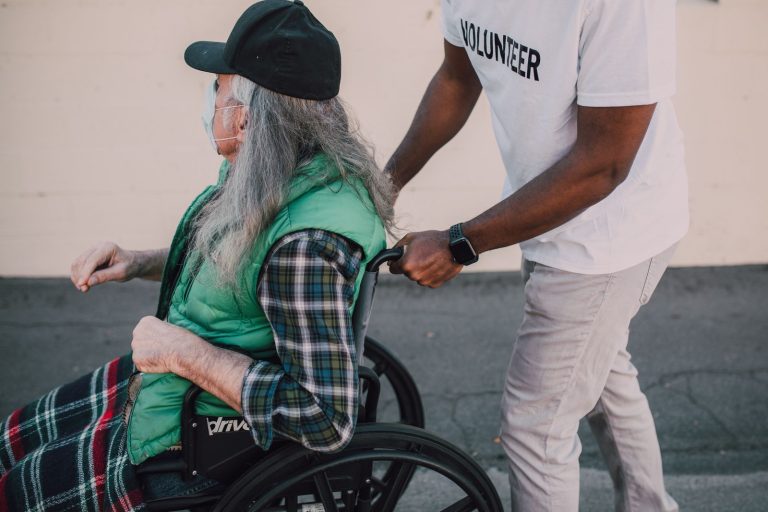
This is one of the most exciting areas. Many Nigerians abroad have parents at home who are getting older. A daughter in Houston or a son in Manchester cannot easily visit every month. They need someone they can trust to help their mother with bathing, medication reminders, meals and hospital appointments, and to send honest updates.
Home care demand includes:
- live-in and live-out caregivers for older adults;
- dementia care for people with memory loss;
- stroke recovery support at home;
- post-surgery and palliative support, working with visiting nurses and doctors;
- care coordinators and agency supervisors.
Families pay more for carers who are trained, punctual, honest and good communicators. Read our guide on how to become a professional caregiver in Nigeria and our article for families on caring for elderly parents in Nigeria from abroad.
3. HMOs and health insurance
Health maintenance organisations (HMOs) and insurers working with the National Health Insurance Authority (NHIA) and private schemes need staff who understand healthcare. Roles include claims officers, customer care, provider relations, call centre medical officers and nurse advisers. Strong documentation, medical terminology and computer skills help here. Figora’s Healthcare Administration programme is a good fit for these roles.
4. Health tech and telemedicine
Nigerian health-tech companies offer telemedicine, e-pharmacy, diagnostics booking, health records and insurance products. They need clinical support staff, customer success officers, content writers with clinical knowledge, operations staff and data roles. Comfort with digital tools, privacy and professional online communication is essential. See Digital Health & Telemedicine.
5. NGOs and public health programmes
International and local NGOs run programmes in maternal and child health, HIV, TB, malaria, nutrition, immunisation and outbreak response. They hire community health workers, nurses, data officers, monitoring and evaluation staff and programme officers. These roles often need strong reporting skills and experience working with communities.
6. Diagnostics, pharmacy and laboratory services
Diagnostic centres, imaging chains and pharmacy chains are growing. They need lab technicians and scientists, radiographers, pharmacy technicians, front desk staff and sales representatives.
7. Remote work for international employers
Some health workers in Nigeria now work remotely for clinics abroad as virtual medical receptionists, medical scribes or health content writers. This needs reliable power and internet and careful attention to privacy. Read our guide to remote healthcare jobs you can do from Nigeria.
How to stand out in the Nigerian job market
Show proof, not just promises
Employers hear “I am hardworking” every day. Stand out with evidence: certificates, a portfolio of courses completed, reference letters, and specific examples of what you have done. “I cared for eight patients per shift on a 30-bed medical ward and trained two new assistants” is more powerful than “I have good experience”.
Learn the skills that private clients value
Private hospitals and families want staff who communicate respectfully, keep good records, follow infection prevention practices, handle medicines safely and know when to escalate. These are teachable skills. Short, focused training shows commitment.
Be reliable
Punctuality, honesty and consistency are rare and valuable. In home care especially, one missed visit can lose a client. Reliability builds referrals.
Network professionally
Join your professional association, attend continuing education events, and follow facilities you would like to work for. Many jobs are filled through referrals before they are advertised.
Staying or going? You can do both well
Working in Nigeria is not a “failure to japa”. It can be a strong career in its own right, and it can also prepare you for a future move. Registered clinical experience in Nigeria counts for many overseas regulators and for Canada’s Express Entry, as long as it matches the occupation and is well documented. Ask HR for reference letters as you go, with dates, hours, duties and contact details. Our documents checklist explains what to collect.
FAQ
Which healthcare jobs are growing in Nigeria?
Demand is growing in private hospitals and clinics, home and elder care, HMOs and insurance, health tech and telemedicine, diagnostics and pharmacy, and NGO public health programmes.
Where can I find healthcare jobs in Nigeria?
Use LinkedIn, Jobberman, MyJobMag, hospital and HMO websites, NGO job boards and professional associations. Follow employers you are interested in, and network through continuing education events.
Can I earn a good income as a caregiver in Nigeria?
Trained, reliable caregivers who communicate well can charge professional rates, especially for dementia, stroke and elder care clients, including families paying from abroad. Certification and referrals make a big difference.
Does experience in Nigeria count if I move abroad later?
Often yes, if it matches the occupation and is properly documented. Keep detailed reference letters for every role. Regulators and immigration programmes set their own rules, so check the official requirements for your destination.
Sources & further guidance
- National Health Insurance Authority (NHIA): information on health insurance in Nigeria.
- World Health Organization: data on health workforce and ageing in Africa.
- Professional regulators: NMCN, MDCN, PCN and MLSCN for licence requirements.
- Nigeria Bureau of Statistics: labour and population data.
Educational article from Figora Insights. This content supports career planning and is not a guarantee of employment.
Watch