Ten years ago, many Nigerian families relied on relatives or untrained house helps to look after elderly parents. Today, more families are looking for professional caregivers: people who know how to bathe someone safely, support a person with dementia, notice early signs of illness, and keep the family informed. Many of these families pay from abroad and expect the same standard they see in London or Toronto.
If you are considering caregiving as a career, or you already work as a caregiver and want to grow, this guide is for you.
What does a professional caregiver do?
A caregiver supports people who need help with daily living because of age, illness, disability or recovery from surgery. Typical tasks include:
- personal care: bathing, dressing, grooming, mouth care and toileting;
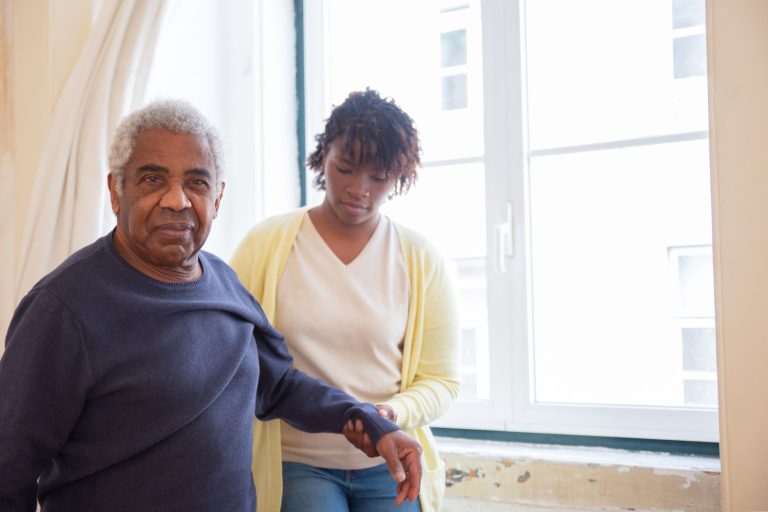
- helping with walking, transfers and positioning;
- preparing meals and supporting eating and drinking;
- reminding and supporting medicines as agreed;
- companionship, conversation, activities and outings;
- light housekeeping related to the person’s care;
- observing changes in health and reporting them;
- recording care given and sending updates to family or supervisors.
Skills that make you stand out
1. Person-centred care
Treat each client as an individual with history, preferences, faith and dignity. Ask how they like to be addressed, what foods they enjoy, and what routines matter to them.
2. Safe personal care and moving
Protect the client’s skin, dignity and safety, and your own back. Learn safe transfers and how to use mobility aids.
3. Dementia care
Many older clients live with memory loss. Calm communication, routines and understanding distress are highly valued skills. See Dementia Care Training.
4. Infection prevention
Hand hygiene, using gloves and aprons correctly, and safe handling of laundry and waste protect clients and you. See hand hygiene at home.
5. Medication support
Reminding, prompting and recording medicines safely, and reporting side effects. See medication safety for older adults.
6. Observation and escalation
Spotting changes early: confusion, fever, falls, breathing problems, swelling, skin damage, rising blood pressure. Knowing stroke signs (BE FAST) and acting fast.
7. Documentation and communication
Clear, factual notes and respectful updates to families. Many diaspora families value a short daily update more than anything else.
8. Professional conduct
Punctuality, honesty, confidentiality, appropriate phone use, and respectful boundaries with clients and families.
How to get started
- Test your interest. Try volunteering with older people or shadowing an experienced caregiver. Figora’s free Caregiving Career Taster helps you decide whether caregiving suits you.
- Get trained. Choose training that covers practical skills and safety, with assessments and a certificate.
- Gain experience. Agencies, private hospitals, care homes and private clients are all possible starting points.
- Build references. Ask satisfied clients and supervisors for written references.
- Specialise. Dementia, stroke recovery, palliative support and post-surgery care are in demand.
- Grow. Experienced caregivers can become supervisors, trainers, care coordinators or start their own agencies. Some go on to study nursing.
Working for an agency vs working independently
- Agency: steady clients, training and supervision, but lower share of the fee.
- Independent: higher rates and flexibility, but you must find clients, manage contracts, cover your own gaps and protect yourself legally.
Many caregivers start with an agency to build experience and references, then move to independent work or a mix.
What about working abroad?
The UK closed its care worker visa to new overseas applicants in July 2025, and Canada’s home care worker pilots are not accepting new applications at the time of writing. Strong caregiving skills still matter: they build a career at home, and they are an excellent foundation if you later train as a nurse. Read what the UK care worker visa closure means.
FAQ
Do I need a licence to work as a caregiver in Nigeria?
Caregivers are generally not licensed like nurses, but training, certificates and references strongly influence who families and agencies hire. Caregivers must not perform regulated clinical tasks outside their training and role.
What training does a caregiver need?
Core training covers personal care, safe moving, infection prevention, dementia awareness, medication support, observation, documentation and professional conduct. First aid or basic life support is also valuable.
How much do caregivers earn in Nigeria?
Rates vary widely by city, experience, live-in or live-out arrangements, and client needs. Trained caregivers with good references and specialist skills such as dementia care usually command higher rates.
Can caregiving lead to nursing?
Yes. Many nurses started as caregivers. Caregiving experience builds empathy and practical skills, but becoming a nurse requires an accredited nursing programme and NMCN registration.
Sources & further guidance
- World Health Organization: long-term care and healthy ageing.
- Nursing and Midwifery Council of Nigeria: scope of nursing practice.
- Skills for Care (UK): Care Certificate standards as an international reference for care skills.
Educational article from Figora Insights. Figora training supports professional development; it is not a licence or an immigration pathway.
Watch