Cholera, typhoid, diarrhoeal diseases, Lassa fever, skin infections and respiratory illnesses continue to affect Nigerian households. For older adults, babies and people with long-term illness, an infection that seems minor can become serious. One of the simplest and cheapest protections is often the most neglected: proper hand hygiene.
This guide is for families, house helps and professional caregivers.
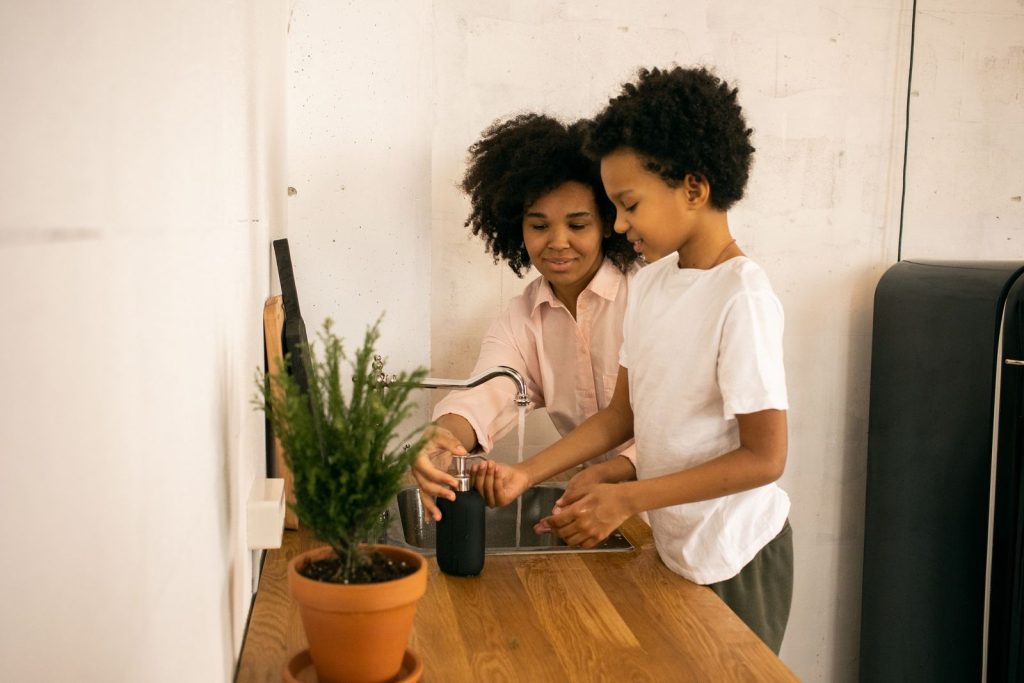
How to wash hands properly
- Wet hands with clean running water.
- Apply enough soap to cover all hand surfaces.
- Rub palms together.
- Rub the back of each hand with the opposite palm, fingers interlaced.
- Rub palm to palm with fingers interlaced.
- Rub the backs of fingers against the opposite palm.
- Rub each thumb in a rotating motion.
- Rub fingertips in the opposite palm.
- Rinse well under running water.
- Dry with a clean towel or disposable paper towel.
The whole process should take about 20 to 40 seconds. Singing “Happy Birthday” twice is a common guide.
When to clean your hands at home
- Before preparing, serving or eating food.
- After using the toilet or changing a nappy or adult pad.
- After blowing your nose, coughing or sneezing.
- Before and after caring for someone who is ill.
- Before and after treating a wound.
- After handling rubbish, animals or animal feed.
- When you return home from outside.
The 5 moments for caregivers
Professional caregivers should follow the WHO’s five moments:
- Before touching the person.
- Before a clean or aseptic task, such as mouth care, eye care or handling a catheter.
- After exposure to body fluids, such as urine, faeces, vomit or saliva.
- After touching the person.
- After touching the person’s surroundings, such as bed rails, bedside table or call bell.
Soap and water or hand rub?
- Soap and water: when hands are visibly dirty, after using the toilet, after contact with body fluids, and when caring for someone with diarrhoea or vomiting (alcohol rub does not work well against some germs that cause diarrhoea).
- Alcohol-based hand rub (at least 60% alcohol): when hands are not visibly dirty and you need to clean them quickly between tasks. Rub until dry, about 20 to 30 seconds.
Gloves are not a substitute
Gloves protect you during contact with body fluids, but germs can pass through tiny holes or spread when removing gloves. Clean hands before putting gloves on and after taking them off. Change gloves between tasks and between people. Never wash and reuse disposable gloves.
Common mistakes
- Rinsing only the palms for a few seconds.
- Everyone washing in the same bowl of water before meals.
- Drying hands on a shared, damp cloth or wrapper.
- Wearing the same gloves from one task to the next.
- Long or artificial nails, which trap germs.
Teaching children and older adults
Children learn by copying. Make handwashing part of routines before meals and after the toilet, and make it fun. For older adults with memory problems, gentle reminders, visual prompts and helping them wash before meals preserve independence while keeping them safe.
FAQ
How long should I wash my hands?
At least 20 seconds of rubbing with soap, covering palms, backs, between fingers, thumbs and fingertips, then rinse and dry with a clean towel.
Is hand sanitiser as good as soap and water?
Alcohol-based hand rub with at least 60% alcohol works well when hands are not visibly dirty. Use soap and water after the toilet, when hands are dirty, and when caring for someone with diarrhoea.
Do gloves replace handwashing?
No. Clean your hands before putting on gloves and after removing them. Change gloves between tasks and between people.
What are the 5 moments for hand hygiene?
Before touching a person, before a clean task, after exposure to body fluids, after touching a person, and after touching their surroundings.
Sources & further guidance
- World Health Organization: My 5 Moments for Hand Hygiene; hand hygiene guidance.
- Nigeria Centre for Disease Control and Prevention (NCDC): infection prevention advice and outbreak information.
- UNICEF: water, sanitation and hygiene (WASH) resources.
- US CDC: handwashing guidance.
Educational article from Figora Insights. Follow your employer’s infection prevention policy and public health advice during outbreaks.
Watch