“I don’t have BP. I feel fine.” Many Nigerians say this, right up until a stroke. High blood pressure is often called the silent killer because most people feel nothing while it quietly damages the brain, heart, kidneys and eyes. Studies in Nigeria suggest that around one in three adults may have high blood pressure, and a large share are undiagnosed or not well controlled.
This guide explains what blood pressure is, how to measure it properly at home, and practical ways to keep it under control.
Why hypertension is so common in Nigeria
- Salt: seasoning cubes, salty snacks, processed foods and adding salt at the table.
- Urban lifestyle: less walking, more sitting, more processed food.
- Weight gain, especially around the waist.
- Alcohol and smoking.
- Stress and poor sleep.
- Genetics and age: risk rises with age and family history.
- Low awareness and irregular treatment: many people stop medicines when they feel well or when money is tight.
What uncontrolled blood pressure can do
- Stroke (see BE FAST stroke signs)
- Heart attack and heart failure
- Kidney disease and kidney failure
- Eye damage and vision loss
- Vascular dementia
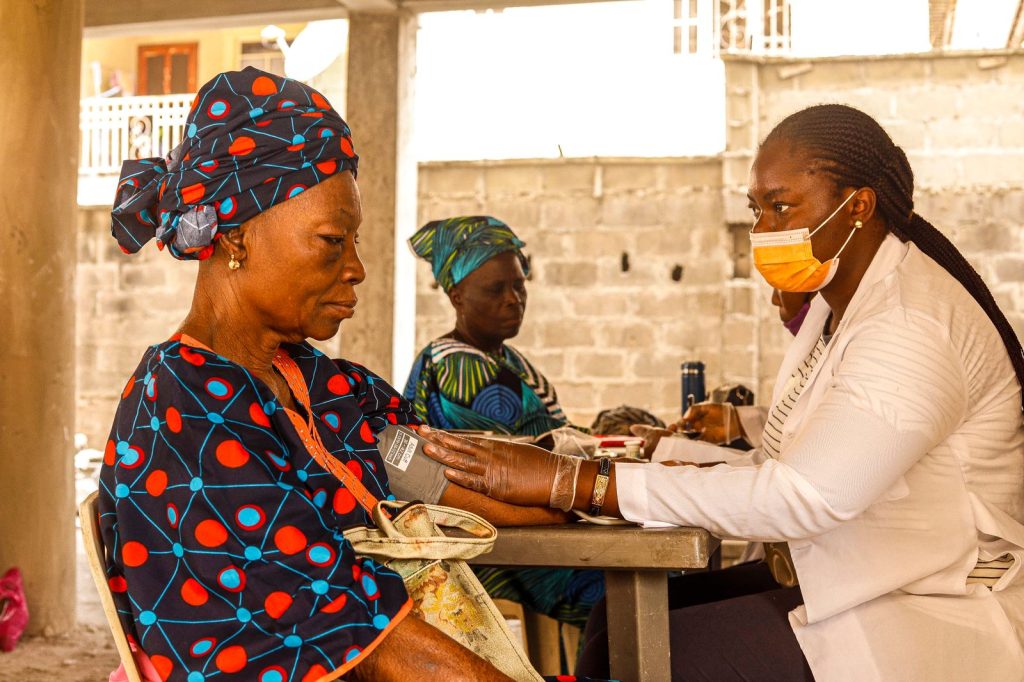
How to measure blood pressure correctly at home
Keep a simple record with the date, time, both readings and the pulse. Take it to every appointment. This helps the doctor adjust treatment much better than one clinic reading.
When a reading is an emergency
Seek urgent medical help if a very high reading comes with symptoms such as severe headache, chest pain, shortness of breath, confusion, weakness on one side, blurred vision or difficulty speaking. If a reading is very high but the person feels well, rest for a few minutes, repeat it, and contact a doctor promptly for advice.
Lifestyle changes that work
Cut the salt
Use fewer seasoning cubes, avoid adding salt at the table, choose fresh foods over processed ones, and flavour food with herbs, pepper, ginger, garlic, onions and spices instead. The World Health Organization recommends less than 5 g of salt a day for adults (about one level teaspoon), including salt already in food.
Eat more vegetables and fruit
Ugu, spinach, garden egg, okra, beans, oranges, bananas and pawpaw are affordable, local and helpful.
Move every day
Aim for at least 150 minutes a week of moderate activity, such as brisk walking. Small steps count: walk to the bus stop, take stairs, dance.
Watch weight and waist
Even modest weight loss can lower blood pressure.
Limit alcohol and stop smoking
Manage stress and sleep
Prayer, rest, time with family, and treating snoring or sleep apnoea all help.
Medicines: the most common mistake
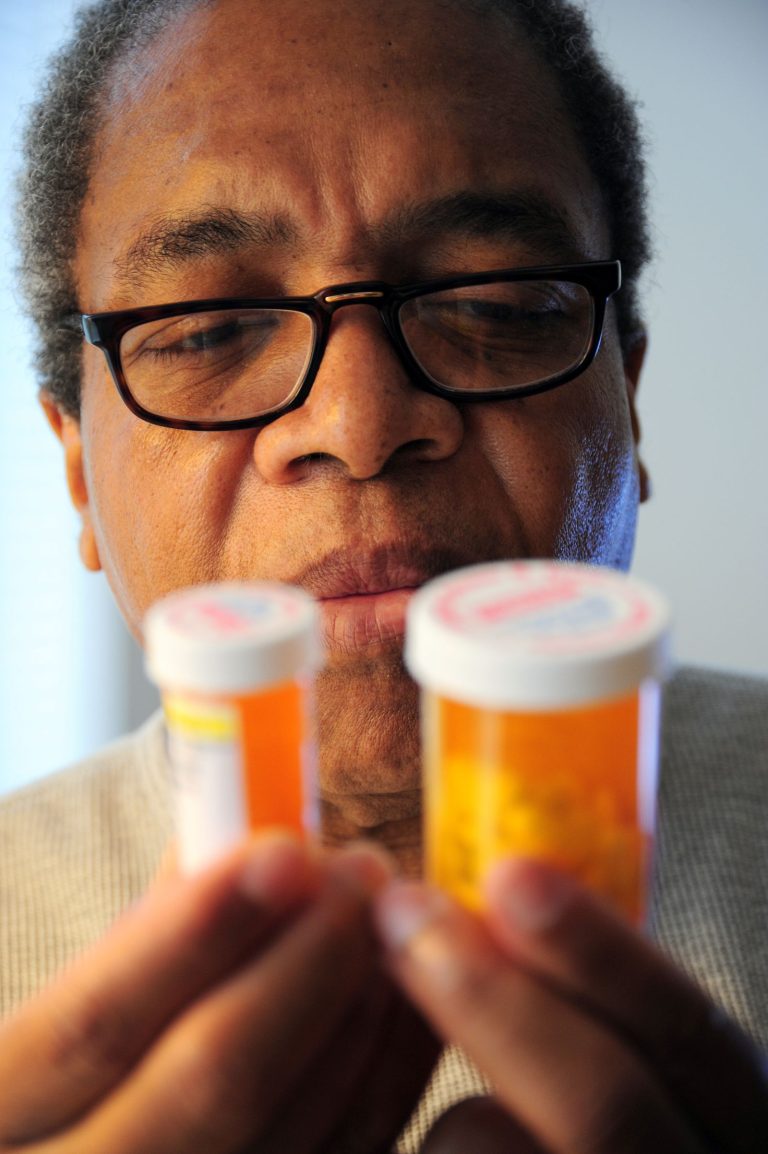
Many people stop their blood pressure tablets once readings are normal, thinking they are cured. In most cases, normal readings mean the medicine is working. Stopping can cause blood pressure to rise again, sometimes dangerously. Never stop or change medicines without speaking to your doctor. If cost is a problem, ask about affordable generic options or health insurance. See medication safety for older adults.
FAQ
What is a normal blood pressure?
Around 120/80 mmHg is often described as healthy for adults. Many guidelines consider clinic readings consistently at or above 140/90 mmHg to be high. Your doctor will advise on your personal target.
Can I stop my blood pressure tablets if my readings are normal?
No, not without speaking to your doctor. Normal readings usually mean the medicine is working. Stopping can cause blood pressure to rise again.
How much salt should I eat?
The World Health Organization recommends less than 5 g of salt a day for adults, about one level teaspoon, including salt already in foods and seasoning cubes.
Which blood pressure monitor should I buy?
A validated automatic upper-arm monitor with the correct cuff size is usually recommended. Ask a pharmacist or doctor to check your technique and the device’s accuracy.
Sources & further guidance
- World Health Organization: hypertension fact sheet and salt reduction guidance.
- Nigerian Hypertension Society and Nigerian Heart Foundation: local awareness resources.
- Peer-reviewed studies on hypertension prevalence in Nigeria (for example systematic reviews published in recent years).
- NHS and American Heart Association: home blood pressure measurement guidance.
Educational article from Figora Insights. This is not medical advice. Talk to a doctor about diagnosis and treatment.
Watch