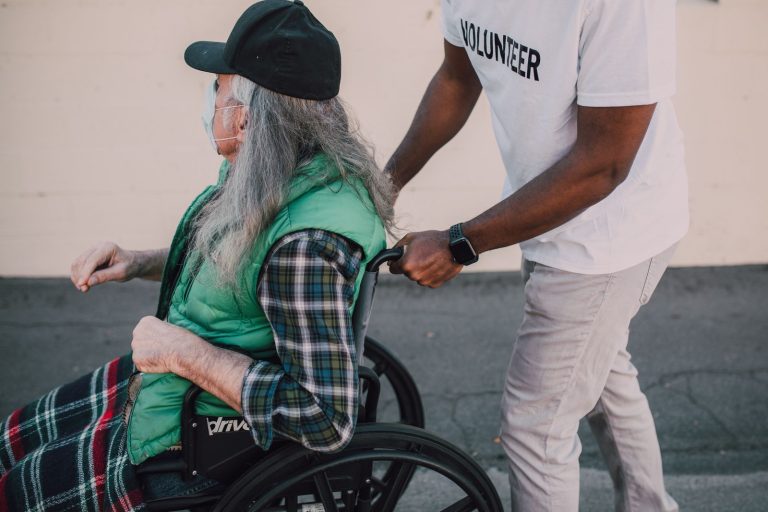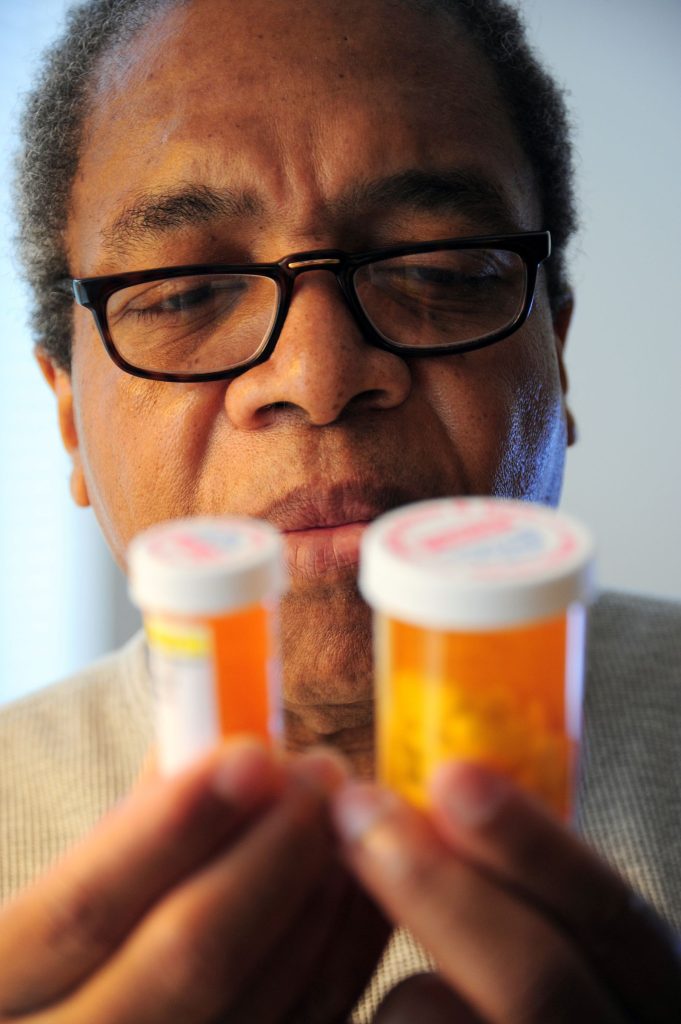
Mama takes tablets for blood pressure, something for her sugar, a painkiller for her knees, a “blood tonic” her sister recommended, and a herbal mixture from the market. Some are from the hospital, some from the chemist, some from a relative abroad. Nobody has a complete list. This is a common picture in Nigerian homes, and it carries real risk.
This guide is for families and caregivers who help older people manage medicines at home.
Why older people are more at risk
- The liver and kidneys clear medicines more slowly with age, so effects can be stronger.
- Several conditions often mean several prescribers who may not know about each other’s prescriptions.
- Memory problems, poor eyesight or arthritis can make it hard to take the right tablet at the right time.
- Side effects such as dizziness, drowsiness or confusion can lead to falls and delirium.
The problem of fake and substandard medicines
Falsified and substandard medicines are a serious problem in many countries, including Nigeria. They may contain the wrong ingredient, too little or too much active ingredient, or contaminants. To reduce the risk:
- Buy from registered pharmacies with a licensed pharmacist, not open markets, buses or unregistered sellers.
- Check for a NAFDAC registration number on the pack.
- Where the pack has a scratch-off code, use NAFDAC’s Mobile Authentication Service by sending the code by SMS as instructed on the pack.
- Check packaging for spelling errors, poor printing, broken seals and expiry dates.
- Report suspected fake medicines and side effects to NAFDAC.
Keep one complete medicines list
Write down every medicine, including:
- name (brand and generic), strength and form (tablet, syrup, injection);
- dose and times;
- what it is for;
- who prescribed it and when it started;
- herbal, over-the-counter and supplement products;
- any allergies or previous bad reactions.
Take the list (or a photo of it) to every appointment and to the hospital in an emergency.
The “rights” of medication for caregivers
Caregivers who help with medicines should follow their training and employer policy. A common checklist is:
- Right person
- Right medicine
- Right dose
- Right time
- Right route (for example by mouth, on the skin)
- Right documentation: record what was taken, refused or missed
- Right to refuse: an adult with capacity may refuse; report and record it
Side effects to watch for
Report to a doctor or pharmacist if you notice:
- dizziness, falls or feeling faint on standing (common with blood pressure medicines);
- new confusion, drowsiness or agitation;
- very low blood sugar symptoms such as sweating, shaking or confusion in people on diabetes medicines;
- stomach pain, black stools or vomiting blood (possible with some painkillers);
- rash, swelling or difficulty breathing (seek emergency help);
- swollen ankles, unusual tiredness or reduced urine.
Common risky habits to avoid
- Stopping blood pressure tablets because “the pressure is now normal”. Normal readings often mean the tablets are working.
- Buying antibiotics without a prescription for every fever.
- Regular use of strong painkillers such as diclofenac without medical advice, which can harm kidneys and the stomach.
- Taking medicines prescribed for someone else.
FAQ
How can I check if a medicine is genuine in Nigeria?
Buy from registered pharmacies, check for a NAFDAC registration number, inspect packaging and expiry dates, and where available use the scratch code with NAFDAC’s Mobile Authentication Service. Report suspected fakes to NAFDAC.
Is it safe to mix herbal remedies with prescribed medicines?
Not always. Herbal products can interact with medicines and affect blood pressure, blood sugar, the liver and kidneys. Tell the doctor or pharmacist about every herbal product used.
What should a caregiver do if an older person refuses medicines?
Stay calm, try to understand why, offer again later if appropriate, and never force or hide medicines in food without proper authorisation. Record the refusal and report it to the family and prescriber.
How often should medicines be reviewed?
At least once a year for older adults on several medicines, and after any hospital admission, fall, or new symptom that could be a side effect.
Sources & further guidance
- NAFDAC: drug registration, Mobile Authentication Service and pharmacovigilance reporting.
- Pharmacists Council of Nigeria (PCN): registered pharmacies.
- World Health Organization: substandard and falsified medical products; Medication Without Harm.
- NHS: medicines management for older people.
Educational article from Figora Insights. This is not medical advice. Always follow the advice of a doctor or pharmacist.
Watch