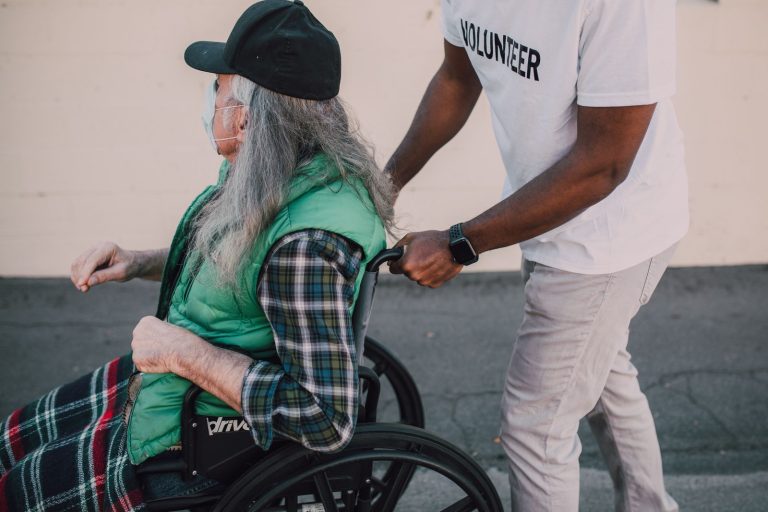
In many Nigerian communities, an older person who becomes forgetful, wanders at night or says strange things may be described as “old age catching up”, or worse, accused of witchcraft. Some older women in particular have faced isolation, abuse or being sent away because of behaviour that was actually caused by dementia. Understanding dementia protects our elders and helps families care for them with love and dignity.
The World Health Organization estimates that more than 55 million people worldwide live with dementia, with numbers rising fastest in low- and middle-income countries as populations age. Nigeria’s older population is growing, and so is the need for awareness.
Early signs families often miss
- Memory loss that affects daily life: repeating the same question or story, forgetting recent conversations or events.
- Misplacing things and sometimes accusing others of stealing them.
- Getting lost in familiar places, such as the route to church, the mosque or the market.
- Difficulty with familiar tasks: cooking a favourite dish, managing money, using the phone.
- Language problems: struggling to find words or follow conversations.
- Confusion about time and place.
- Poor judgement: giving away money, falling for scams, dressing inappropriately for the weather.
- Changes in mood and personality: new suspicion, anxiety, irritability, withdrawal or loss of interest.
- Sleep changes: waking and wandering at night.
Dementia is not witchcraft
Behaviour changes in dementia, such as talking to people who are not there, hiding things, night wandering, or suspicion, come from damage to the brain. Labelling an older person as a witch can lead to abuse, abandonment and even violence. Faith leaders, community leaders and health workers can play a powerful role by teaching that dementia is an illness that needs care and compassion.
Why early assessment matters
- Treatable causes: thyroid problems, vitamin B12 deficiency, depression, medicine side effects and some infections can cause memory problems that improve with treatment.
- Managing risk factors: controlling blood pressure, diabetes and cholesterol may slow vascular damage. See high blood pressure in Nigeria.
- Planning: the person can share their wishes about care, finances and property while they can still decide.
- Support: families can learn skills and arrange help early.
Start with a general doctor, who may refer to a neurologist, psychiatrist or geriatric specialist at a teaching hospital.
Living well with dementia
Communicate with respect
Speak calmly, use short sentences, give one instruction at a time, and allow time to respond. Use their preferred name and title. Avoid arguing or correcting constantly; respond to the feeling behind the words.
Keep routines
Familiar daily routines, such as morning prayers, meals at regular times and afternoon rest, reduce confusion and distress.
Make home safer
Good lighting, clear walkways, grab rails in the bathroom, secure gas cookers, and labels on doors help. Consider identification such as a bracelet with a contact number in case they get lost.
Stay active and included
Music, prayer, gardening, folding clothes, looking at old photographs and visits from grandchildren bring joy and purpose.
Look after physical health
Regular meals, fluids, medicine reviews, dental care, hearing and eyesight checks all matter.
Support for carers
Caring for someone with dementia is demanding. Families should share responsibilities, seek respite, and consider trained caregivers. Look after your own health too. See caregiver burnout and caring for parents from abroad.
FAQ
Is forgetfulness in old age always dementia?
No. Mild forgetfulness can be part of normal ageing. Dementia affects daily life, such as getting lost, struggling with familiar tasks or personality changes. A doctor can assess and look for treatable causes.
What are the early signs of dementia?
Repeating questions, misplacing things, getting lost in familiar places, difficulty with money or cooking, language problems, poor judgement, and mood or personality changes.
Can dementia be cured?
Most types of dementia cannot currently be cured, but some causes of memory problems are treatable, and support, routines, risk-factor control and some medicines can help people live well for longer.
Is dementia caused by witchcraft?
No. Dementia is caused by diseases that damage the brain, such as Alzheimer’s disease and strokes. People living with dementia need medical care, compassion and protection from stigma and abuse.
Sources & further guidance
- World Health Organization: dementia fact sheet and Global action plan on the public health response to dementia.
- Alzheimer’s Disease International: World Alzheimer Reports and resources for Africa.
- Alzheimer’s Society (UK) and Alzheimer Society of Canada: caregiver guidance.
- Peer-reviewed research on dementia prevalence and stigma in Nigeria and sub-Saharan Africa.
Educational article from Figora Insights. This is not medical advice. Seek assessment from a qualified health professional.
Watch