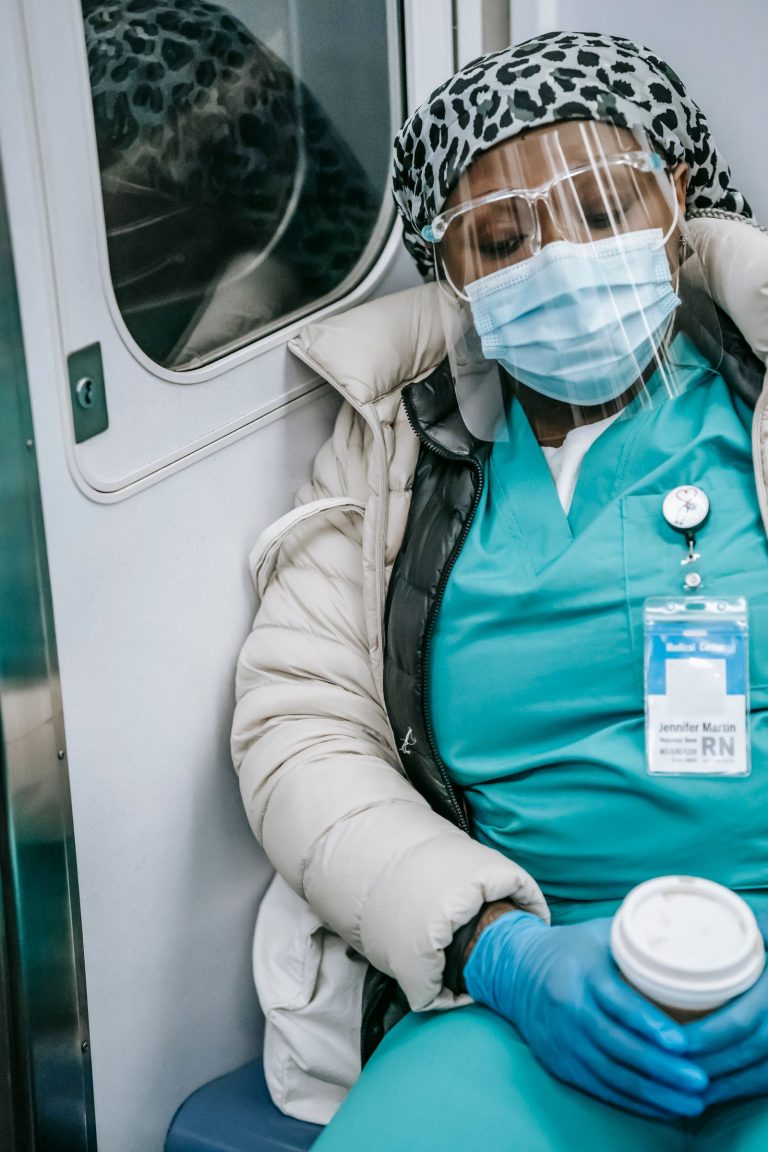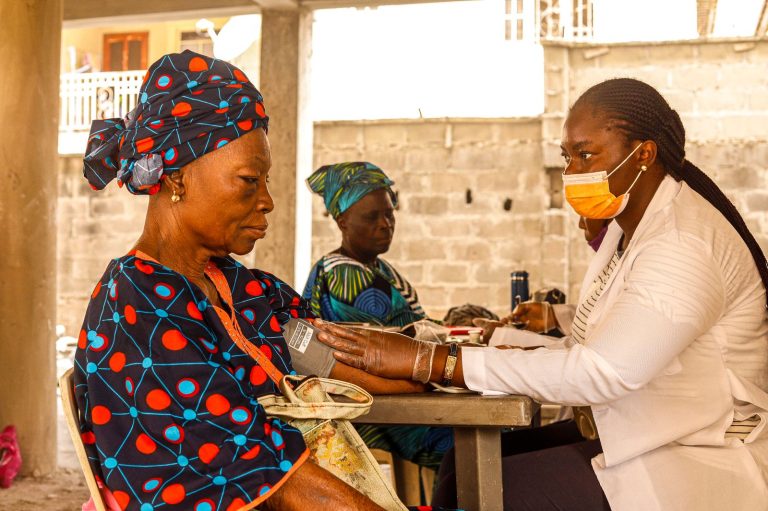
Health workers spend their lives caring for others, yet many struggle in silence. In Nigeria, mental illness still carries heavy stigma. Some people are told their low mood is a lack of faith, a spiritual attack, or weakness. Health workers may fear that admitting a mental health problem could affect their job, licence or plans to work abroad. As a result, many delay seeking help until things become severe.
This article explains common mental health problems, how to recognise them, and how to support yourself and others.
Signs to look out for
Depression
- persistent sadness, emptiness or hopelessness;
- loss of interest in things once enjoyed;
- sleeping too much or too little;
- changes in appetite or weight;
- tiredness and lack of energy;
- difficulty concentrating or making decisions;
- feelings of worthlessness or guilt;
- thoughts of death or suicide.
Anxiety
- constant worry that is hard to control;
- restlessness, feeling on edge;
- racing heart, sweating, trembling, shortness of breath;
- panic attacks;
- avoiding situations because of fear;
- poor sleep.
Why health workers are at risk
- long shifts, night work and staff shortages;
- exposure to death, trauma and violence;
- moral distress when resources are not available to give good care;
- financial pressure and family expectations;
- migration stress: separation from family, isolation, discrimination, immigration uncertainty;
- stigma and fear of professional consequences.
How to support a colleague
You do not need to be a psychiatrist to help. A simple, compassionate approach works:
- Notice: changes in mood, behaviour, performance or appearance.
- Ask: privately and kindly. “You’ve seemed very tired lately. How are you really doing?”
- Listen: without judging, interrupting or rushing to give advice.
- Encourage help: a doctor, counsellor, occupational health or employee assistance programme.
- Follow up: check in again in a few days.
Treatment works
Depression and anxiety are treatable. Options may include:
- talking therapies such as cognitive behavioural therapy (CBT) or counselling;
- medicines prescribed by a doctor;
- regular physical activity, sleep routines and reducing alcohol;
- social support, peer groups and, for many people, faith communities alongside professional care.
Mental health services in Nigeria are available through federal neuropsychiatric hospitals, psychiatric departments of teaching and general hospitals, private practitioners and some NGOs and helplines. Abroad, the NHS, provincial health services and employee assistance programmes provide confidential support.
Mental health and working abroad
Many nurses worry that a history of depression or anxiety will stop them working abroad. In general, regulators focus on whether a health condition affects your ability to practise safely now, and many health professionals with well-managed mental health conditions practise safely. Being honest when asked, and getting treatment, protects you and your patients. Check your regulator’s guidance on health and character declarations.
Looking after your own mental health
- Protect sleep and rest days.
- Stay connected with family and friends.
- Move your body regularly.
- Limit alcohol and avoid self-medicating.
- Debrief after difficult shifts.
- Notice early signs and act early. See burnout signs and recovery.
FAQ
What are the signs of depression in health workers?
Persistent low mood or loss of interest for two weeks or more, sleep and appetite changes, exhaustion, poor concentration, feelings of worthlessness, withdrawal and thoughts of death are common signs.
How can I help a colleague who seems depressed?
Ask privately and kindly, listen without judging, encourage them to seek professional help, and check in again. If there is immediate risk of harm, stay with them and seek emergency help.
Will a mental health condition stop me from working abroad as a nurse?
Not necessarily. Regulators generally focus on whether you can practise safely now. Many professionals with well-managed conditions work safely. Answer health declarations honestly and follow your regulator’s guidance.
Where can I get mental health help in Nigeria?
Federal neuropsychiatric hospitals, psychiatric units in teaching and general hospitals, private psychologists and psychiatrists, and some NGO helplines offer support. In an emergency, go to the nearest hospital.
Sources & further guidance
- World Health Organization: depression and anxiety fact sheets; mental health at work guidelines.
- Federal Ministry of Health, Nigeria: National Mental Health Act 2021 and mental health policy.
- NHS: depression and anxiety information.
- International Council of Nurses: nurse wellbeing resources.
Educational article from Figora Insights. This is not medical advice. If you are in crisis, seek emergency help immediately.
Watch