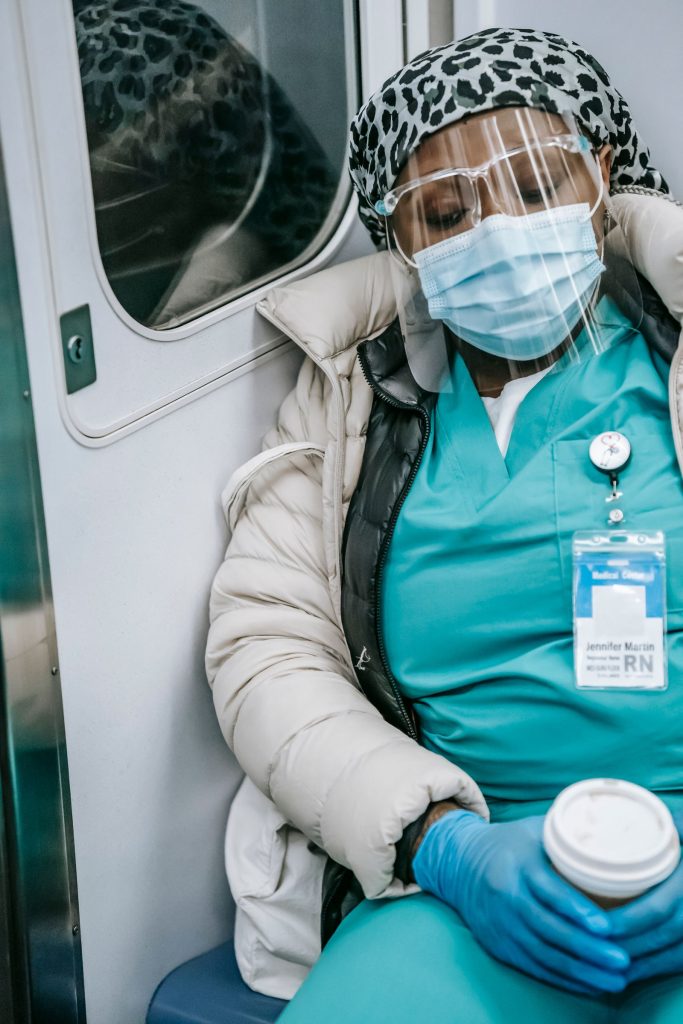
Ngozi works 12-hour shifts at a private hospital in Abuja, then goes home to care for her mother, who had a stroke. On her days off, she does extra private home visits to pay school fees. Lately she cries in the car, snaps at her children, and feels nothing when a patient thanks her. She tells herself she just needs to push harder.
Ngozi’s story is familiar to many health workers in Nigeria and in the diaspora. Staff shortages, long hours, low pay, family responsibilities and the emotional weight of caring all add up. This guide explains burnout, how to recognise it, and practical steps to recover and prevent it.
Warning signs of burnout
Physical
- tiredness that does not improve with sleep;
- frequent headaches, body pains or stomach problems;
- getting ill more often;
- changes in appetite or sleep.
Emotional
- feeling drained, hopeless or trapped;
- irritability and short temper;
- feeling detached from patients or “numb”;
- loss of motivation and satisfaction.
Behavioural
- withdrawing from friends and family;
- arriving late, calling in sick more often;
- using alcohol, food or medicines to cope;
- making more mistakes at work.
Why health workers in Nigeria are at high risk
- Staff shortages: emigration has left fewer people to do the same work.
- Long hours and extra jobs to make ends meet.
- Family responsibilities and “family pressure” to provide.
- Limited resources: caring for patients without the equipment or medicines they need.
- Exposure to suffering, death and verbal or physical aggression.
- Stigma around mental health, which stops people asking for help.
Nigerian health workers abroad face extra pressures: culture shock, isolation, long winters, immigration worries and pressure to send money home. See your first 90 days abroad.
Practical steps to recover
1. Name it
Admitting “I am burnt out” is the first step. It is not laziness or weak faith. It is a response to sustained pressure.
2. Protect rest
Sleep, days off and annual leave are essential, not luxuries. Where possible, reduce extra shifts for a period.
3. Set boundaries
Learn to say no to some requests, including from family. Agree realistic financial support with relatives instead of saying yes to every request.
4. Share the load
If you are caring for a family member, share tasks with siblings or relatives, or arrange respite care so you can rest.
5. Talk to someone
Trusted colleagues, friends, faith leaders, counsellors and peer support groups help. Many employers abroad offer free confidential Employee Assistance Programmes.
6. Look after your body
Regular meals, water, movement and time outdoors all support mood and energy.
7. Reconnect with meaning
Remind yourself why you chose this work. Notice small positive moments with patients and colleagues.
8. Seek professional help
If symptoms continue or affect daily life, see a doctor or mental health professional. Effective treatments exist.
What employers and managers can do
- Safe staffing and fair rotas.
- Protected breaks and access to food and water during shifts.
- Debriefs after difficult events, such as a patient death or violent incident.
- Clear policies against bullying and aggression.
- Access to confidential counselling and occupational health.
- Recognition and appreciation of staff.
- Training in stress management and mental health awareness.
Burnout and patient safety
Exhausted health workers are more likely to make errors, miss warning signs, and communicate poorly. Looking after yourself is part of professional responsibility. A rested caregiver is a safer caregiver.
FAQ
What are the signs of caregiver burnout?
Common signs include constant tiredness, irritability, poor sleep, feeling detached or hopeless, withdrawing from others, getting ill more often and making more mistakes.
Is burnout the same as depression?
No, but they can overlap. Burnout is linked to chronic work or caring stress. Depression is a mental health condition that affects most areas of life. If low mood persists, seek professional help.
How can nurses prevent burnout?
Protect rest and leave, set boundaries, share the load, talk to trusted people, look after physical health, and use workplace support such as counselling. Employers also play a key role through safe staffing and support.
Where can health workers in Nigeria get mental health support?
Options include psychiatric hospitals, general hospitals with mental health services, private counsellors, faith-based counselling and organisations offering helplines. In a crisis, seek emergency help.
Sources & further guidance
- World Health Organization: burn-out as an occupational phenomenon (ICD-11); mental health at work guidance.
- International Council of Nurses: nurse wellbeing and workforce reports.
- NHS Practitioner Health and employer wellbeing resources (UK).
- Federal Neuro-Psychiatric Hospitals in Nigeria: mental health services.
Educational article from Figora Insights. This is not medical advice. If you are in crisis, seek help immediately.
Watch